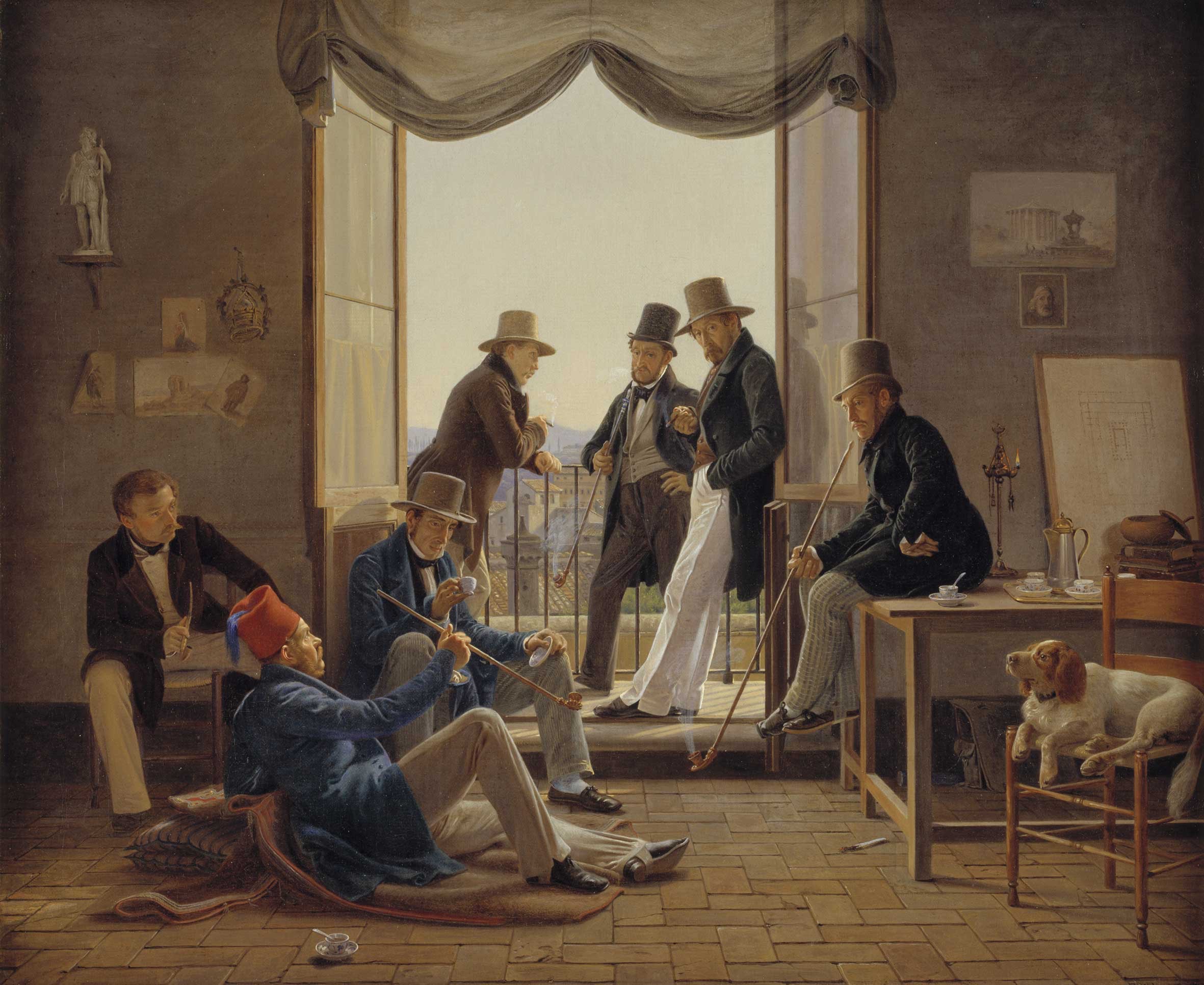



In a world that seems to be moving at a breakneck speed, the idea of slow travel feels refreshingly rebellious. We live in an age where everything is optimized for speed. We rush through our days, our meals, and even our vacations. But what if we took a step back and embraced the art of slow travel? What if we lingered a little longer, looked a little closer, and truly immersed ourselves in the places we visit?
A few years ago, I found myself on a whirlwind two-week trip through Europe. It was my first time there, and I tried to pack in as much as possible: Rome, Paris, Berlin, and Amsterdam. The itinerary was ambitious, and while I checked off many sights from my list, I returned home feeling more exhausted than enriched. I realized I had seen a lot, yet experienced very little. This realization is what led me to slow travel.
Slow travel is not about reaching a destination quickly. It’s about savoring the journey and the experiences that come with it. It’s about staying in one place long enough to understand the culture, the people, and the rhythm of life. On my next trip, I decided to spend two weeks in a small town in Tuscany. Instead of rushing from one tourist spot to another, I spent my days wandering through vineyards, chatting with locals at the market, and learning to cook traditional Italian dishes. I came back with fewer photos but a heart full of memories and connections.
One of the most compelling aspects of slow travel is the way it allows you to form genuine connections. When you’re not in a rush, you have the time to engage with the people around you. I recall a day spent in a tiny café in a village square, where I struck up a conversation with the owner. Over several cups of coffee, she shared stories of her childhood, local legends, and even taught me a few phrases in the local dialect. These interactions are what make a place come alive, transforming it from a mere dot on the map to a community with its own heartbeat.
Slow travel also offers an opportunity to be more mindful of our impact on the places we visit. By staying longer in one location, we can reduce the carbon footprint associated with frequent flights or long drives. We can support local economies by choosing to eat, shop, and stay local. It’s a more sustainable approach to travel that respects the places we explore.
Of course, slow travel may not always be feasible. Our jobs, responsibilities, and limited vacation days can make it challenging to linger as long as we’d like. But even within these constraints, there are ways to incorporate the principles of slow travel. It could mean choosing one city and exploring its neighborhoods in depth rather than cramming multiple destinations into a short trip. Or it might involve taking a scenic train instead of a quick flight, allowing us to witness the landscapes that lie between.
Rediscovering the art of slow travel invites us to see the world not as a checklist, but as a tapestry of experiences. It’s a reminder that sometimes, the most meaningful journeys are those where we allow ourselves to wander, savor, and truly be present. In a world that’s always in a hurry, perhaps the greatest gift we can give ourselves is the permission to slow down.