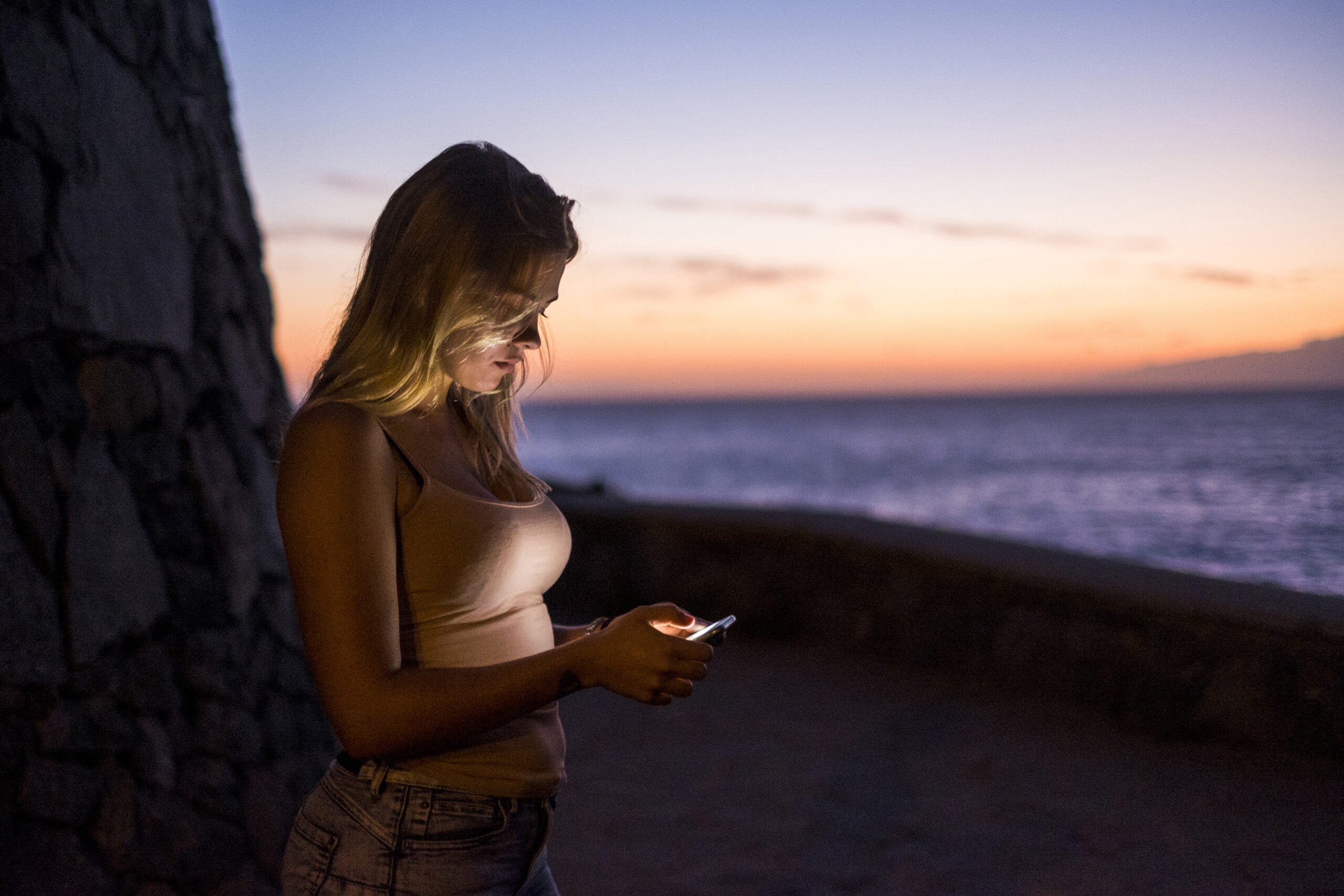



Capturing the Invisible: How Photography Shapes Our Perception of Reality
I remember the first time I held a camera in my hands. It was my dad’s old point-and-shoot, and I felt like I was holding a magic wand. I clicked away at everything—flowers, my dog, even a curious rock I found in the backyard. Back then, I didn’t realize that my amateur snapshots were more than just pictures; they were shaping how I saw the world.
Photography, for all its simplicity today, is a bit of a paradox. On one hand, it captures reality—what’s right in front of our noses. On the other, it can make the mundane seem extraordinary or the chaotic appear serene. This dual nature is why I find photography endlessly fascinating. It doesn’t just record reality; it interprets it.
Take, for example, the classic family vacation photo. We all have one of those. Everyone’s standing in front of a monument, squinting into the sun, and trying to look like they’re having the time of their lives. What the photo doesn’t show is the argument over who forgot the sunscreen, the hunt for a bathroom, or the heat that made your shirt stick to your back. Photography simplifies the chaos of life into a moment that looks almost perfect.
Social media takes this to another level. Instagram feeds are filled with impossibly beautiful sunsets and breakfasts that look too good to eat. But what these images often hide is the reality: the filters, the ten failed attempts, and the fact that the coffee went cold while you were getting the perfect shot. This curated reality isn’t bad—it’s just selective. It reminds us that photography is as much about what we choose to exclude as what we include.
Photographers have long known this. Henri Cartier-Bresson, famed for his candid street photography, spoke of capturing the “decisive moment”—that split second when everything aligns. But even Cartier-Bresson was making choices about what to shoot and what to omit. His photos tell stories, but they are stories told from a particular angle, with a particular focus.
I’ve also found that photography can reveal things we might otherwise overlook. Macro photography, for example, opens up worlds we rarely notice. A close-up of dew on a spider’s web can look like a string of tiny pearls. It’s a reminder that there’s beauty in the details, even if we don’t always see it.
In a way, photography is like a language. It allows us to express ideas and emotions without words. A photograph of a child playing in the rain can convey joy, nostalgia, or freedom—depending on how we interpret it. And just like language, how we read a photo can change over time. A picture of a cityscape might seem ordinary today, but in fifty years, it could be a historical artifact.
So, while I might never become a professional photographer, I still treasure the way photography helps me see the world. It encourages me to look closer, think deeper, and appreciate the invisible threads that weave through our everyday lives. In the end, photography isn’t just about capturing what we see; it’s about shaping how we see. And that’s a reality worth focusing on.