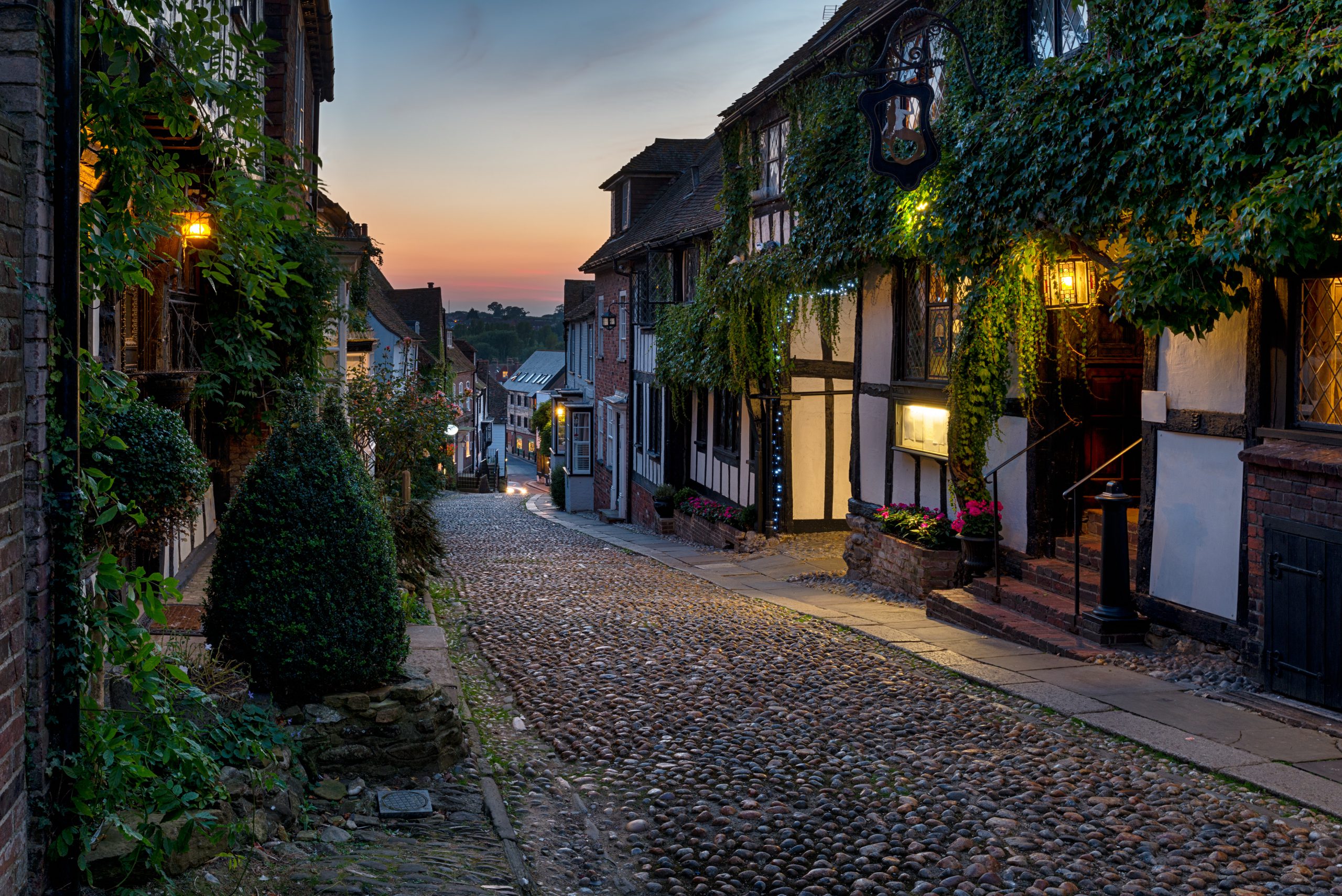



I remember the first time I visited a film set. I was a bright-eyed teenager, completely in awe of the magic and chaos unfolding around me. The director called “Action!” and suddenly, a bustling city street came alive within the confines of a studio lot. It was a world meticulously crafted by human hands, from the towering facades to the tiniest details on a street vendor’s cart. That was over two decades ago, and today, the world of filmmaking looks quite different, thanks largely to the rapid advancements in technology.
Walking onto a film set now feels a little like stepping into a cross between a tech startup and an art studio. Drones buzz overhead, capturing breathtaking aerial shots that would have required a helicopter and a hefty budget not so long ago. Virtual reality rigs allow directors to step into a digital rendition of their scene, tweaking elements in real time with a few swipes on a tablet. It’s all incredibly fascinating, yet it can feel a bit overwhelming too.
One of the most significant changes is the way technology has democratized filmmaking. When I first started dabbling in film, the equipment needed was prohibitively expensive. Today, a budding filmmaker can shoot a high-quality film on a smartphone and edit it on a laptop with software that costs less than a nice dinner out. This accessibility has opened the door to a more diverse array of voices and stories, which is perhaps one of the most exciting developments in the industry.
I spoke with a friend of mine, Sarah, who’s a cinematographer. She told me about her recent experience on a film where they used LED panels instead of traditional lighting setups. These panels could mimic any type of light — from a soft sunrise to the harsh fluorescents of an office. What used to take hours to set up could now be achieved in mere minutes, allowing for more flexibility and creativity on set. Sarah admitted there’s a bit of a learning curve, but she’s excited about the new possibilities this technology offers.
Then there’s the post-production process, which has undergone its own transformation. Visual effects that once required entire teams and months of work can now be achieved in a fraction of the time with advanced software. This has led to a rise in ambitious storytelling, as filmmakers can now create worlds and creatures that would have been impossible to realize before. However, it also raises an interesting conversation about the balance between digital effects and practical ones, a debate that continues to ignite passionate discussions among filmmakers and audiences alike.
But perhaps the most profound impact of technology is how it has changed the way stories are told and consumed. Streaming platforms and social media have created a global audience hungry for content, pushing filmmakers to innovate and experiment with both format and narrative. It’s an exciting time, but it also means filmmakers need to be more adaptable than ever, ready to embrace new tools while holding on to the timeless art of storytelling.
As I think back to that first film set I visited, I realize that while the tools and methods have changed dramatically, the heart of filmmaking remains the same. It’s about telling stories that connect us, challenge us, and inspire us. And in this rapidly evolving landscape, it’s comforting to know that some things never change.