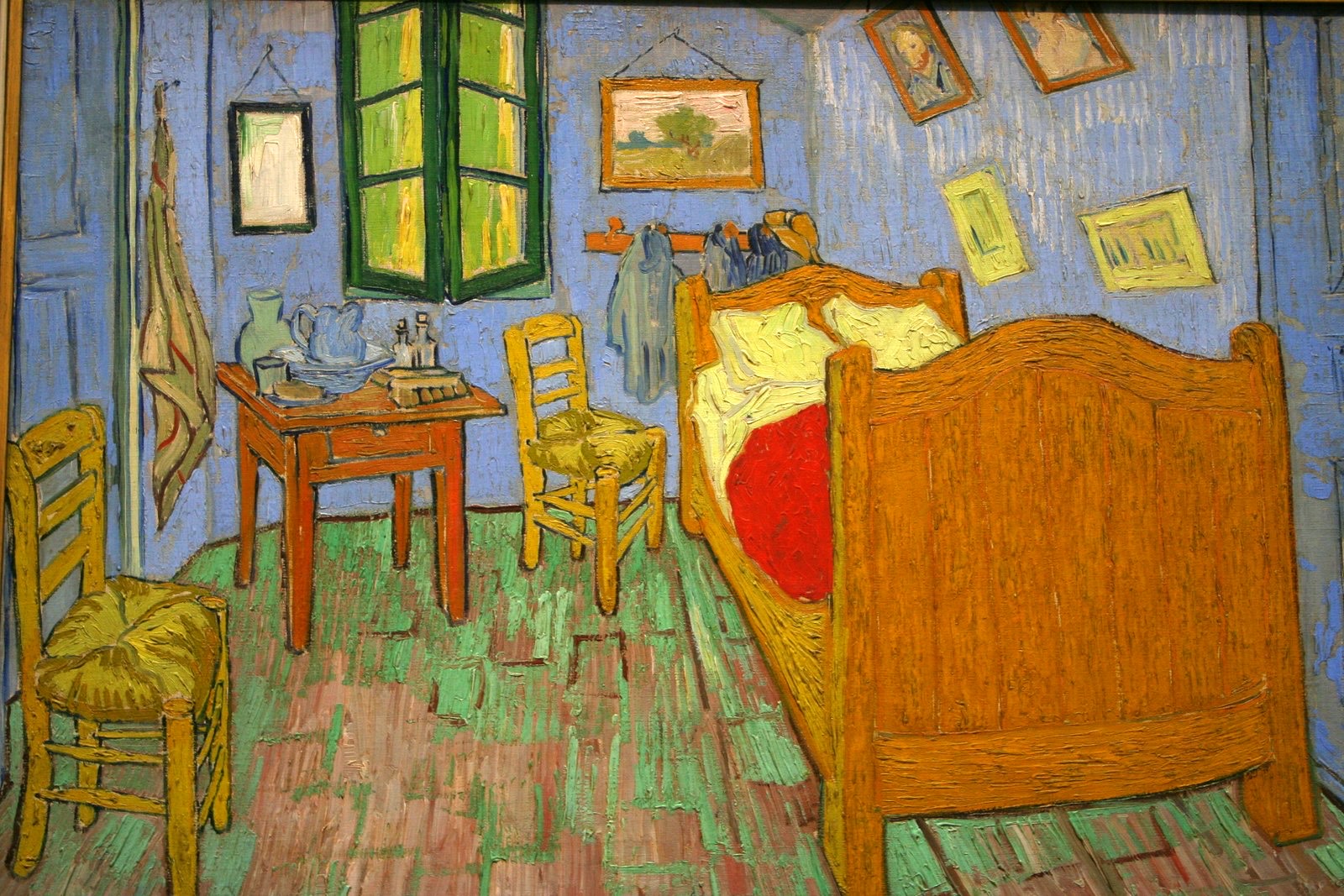



There’s something magical about the moment you open a book and begin to dive into a world crafted by someone else’s imagination. Each page is a portal to a new universe, each paragraph a stepping stone into the mind of characters who, though fictional, often feel more real than people we encounter in our everyday lives. This is the art of storytelling, and it has a profound power to shape how we view the world around us.
I remember the first time a book truly changed my perspective. I was in high school, caught up in the usual teenage whirlwind of confusion and self-discovery. Our English teacher assigned us “To Kill a Mockingbird” by Harper Lee. At first, like many students, I approached it as just another assignment. But as I read about Scout Finch and her father, Atticus, something clicked. It wasn’t just a story about a small town in the American South; it was a story about justice, empathy, and standing up for what’s right, even when it’s hard. Through Scout’s eyes, I began to understand the complexities of morality and the importance of seeing the world from others’ perspectives.
This is the beauty of storytelling. It allows us to live multiple lives, to experience the world through lenses we might never have considered. Through literature, we can travel to distant lands, understand diverse cultures, and grapple with ethical dilemmas—all from the comfort of our own homes. It’s a way to step outside of our own experiences and gain insight into the lives of others.
Consider the works of Chimamanda Ngozi Adichie, who brings Nigerian culture and politics to life with vivid detail and emotional depth. Her stories not only entertain but also challenge us to think about issues of identity, migration, and gender. Or think about George Orwell’s “1984,” a haunting depiction of a dystopian future that continues to resonate with readers as a cautionary tale about the dangers of totalitarianism and the erosion of truth.
But storytelling isn’t confined to grand themes or historical epochs. It’s also about the everyday, the relatable. When I read Jhumpa Lahiri’s “The Namesake,” I found myself drawn into the intimate struggles of a family caught between two cultures. It was a reminder that our identities are shaped by both the places we come from and the places we inhabit.
Stories help us make sense of the chaos in our lives. They give us language for emotions we might not know how to express otherwise. They remind us that we’re not alone in our struggles and triumphs. When we read, we connect with the storyteller, with the characters, and ultimately with ourselves.
As I sit here, reflecting on the countless stories that have influenced me, I realize that literature is more than just an escape or a pastime. It’s a mirror that reflects our humanity and a map that guides us through the intricacies of life. So, the next time you pick up a book, remember that you’re not just reading words on a page. You’re engaging in an art form that has the power to transform your worldview, one story at a time.